Penglipuran Village & Kintamani: The Perfect Bangli Day Trip 2026
May 29, 2026
Tan’s Estate: Best Things to Do in Kintamani
June 11, 2026
Trunyan Cemetery Bali
The Open-Air Burial Site & How to Visit from Lake Batur
Most cultures around the world bury or cremate their deceased. However, the village of Trunyan on the quiet shores of Lake Batur practices a very different tradition.
Specifically, the villagers leave the bodies above ground beneath large trees. Surprisingly, these exposed bodies do not emit any foul odor.
Consequently, this fascinating fact makes the Trunyan Cemetery Bali a highly unique cultural site. This ancient tradition perfectly reflects the harmonious relationship between humans and nature.
Furthermore, the Bali Aga community actively preserves this sacred practice as the indigenous people of Trunyan.
Unlike the common Ngaben tradition in Bali, locals place the bodies in an open area rather than burying them. As a result, the remains merge naturally with the environment.
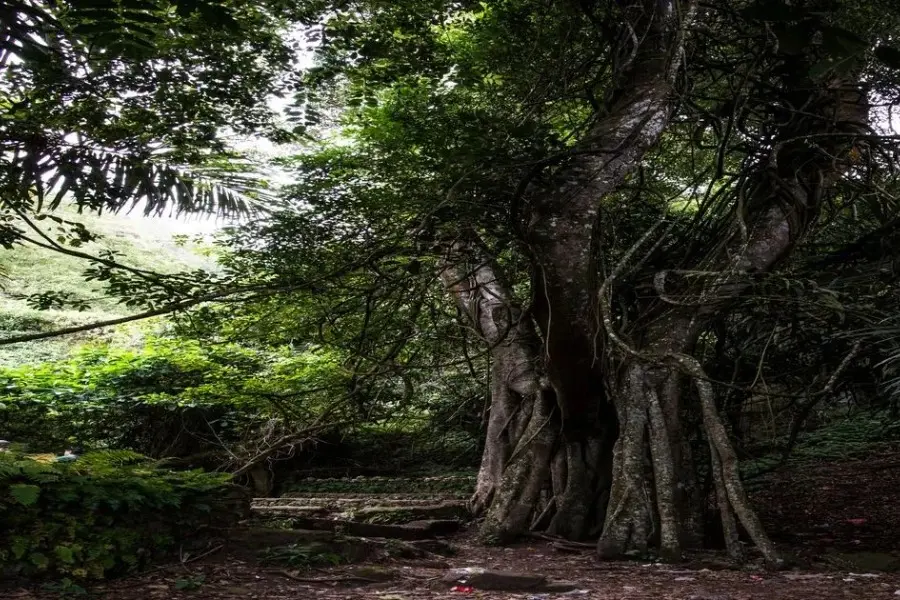
Additionally, visitors can find the famous Taru Menyan tree at this cemetery. The local community firmly believes this tree safeguards the site’s overall sanctity.
Therefore, you should know that the Trunyan Cemetery sits on the eastern shore of Lake Batur in Kintamani. Importantly, tourists can only reach this remote location by taking a boat.
What Is Trunyan Cemetery?
Locals also know Trunyan Cemetery Bali as Sema Wayah. In Old Balinese, this specific name translates to “the cemetery of the elderly” or “the cemetery of those who have reached a ripe old age.”
Furthermore, you will find Sema Wayah situated on the outskirts of Lake Batur. This sacred area sits completely separated from the main village settlement.
Interestingly, the name “Trunyan” comes directly from the words “Taru Menyan”. This phrase refers to the large tree that grows abundantly in this cemetery area.
In Old Balinese, “taru” means tree, while “menyan” means fragrant or aromatic. Therefore, this prominent tree serves as the focal point of the entire Trunyan burial tradition.
Unlike modern methods, the burial system here does not use any wooden coffins. Moreover, the villagers never bury the bodies underground.
Instead, they carefully place the bodies on the ground. Next, they cover the remains with a cone-shaped bamboo structure called an “ancak saji.”
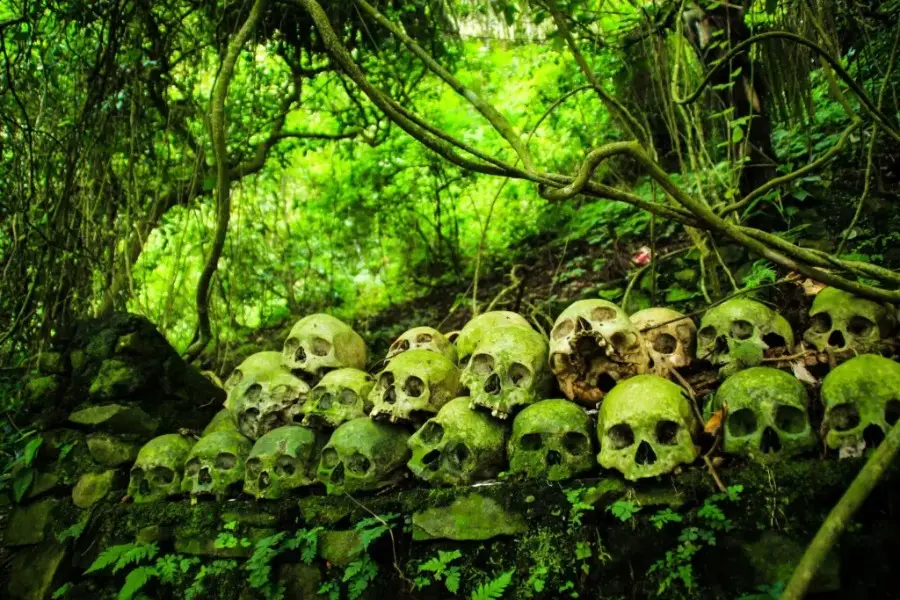
Consequently, the bodies naturally decompose and become one with nature over time. Later, the locals neatly arrange the remaining skulls and bones in a designated area near the Taru Menyan tree.
However, Sema Wayah does not accept all Trunyan residents. Specifically, this unique tradition applies only to native Bali Aga individuals who are married and die of natural causes.
Therefore, the community buries those who die in accidents, succumb to certain illnesses, or remain unmarried in a completely different location.
Historians believe the Bali Aga community represents the true indigenous inhabitants of Bali. Notably, they existed long before the Majapahit influence arrived from Java.
As a result, they actively maintain their own traditional customs and deep beliefs. Ultimately, these practices remain distinctly different from those of the majority of Balinese Hindus.
Read other interesting articles:
- Lake Batur Cruise: Guide & Royal Songan Experience 2026
- Penglipuran Village & Kintamani: The Perfect Bangli Day Trip 2026
The Legend Behind Trunyan Cemetery
To fully understand the Trunyan Cemetery Bali, you must learn the magical story behind the Taru Menyan tree.
According to local beliefs, the Taru Menyan tree represents a sacred plant from ancestral times. Furthermore, residents believe this tree naturally emits a strong, fragrant aroma.
Consequently, this unique scent effectively neutralizes the odor from the decomposing bodies. For this exact reason, the Sema Wayah area never produces a pungent smell.
Moreover, the Bali Aga people view nature as a direct extension of human life. By allowing the body to merge directly with the earth and air, they show the highest form of respect for the cycle of life.
Undeniably, this philosophy differs greatly from the Ngaben tradition that the majority of Hindus practice in Bali. Usually, Balinese Hindus cremate the body in a grand ceremony involving massive processions and burning rituals.
In contrast, the Trunyan people handle the passing process in a much more serene, personal, and nature-oriented manner.
What to Expect When You Visit Trunyan and Its Cemetery
For many adventurous travelers, a visit to the Trunyan Cemetery Bali feels exactly like entering a completely different world.
Specifically, the Sema Wayah area features an open space entirely devoid of permanent structures or modern tourist facilities. During your visit, you will only see bamboo altars, scattered human remains, organized skulls, and small offerings from the families.
Surprisingly, you will barely notice any pungent odor in the cemetery area. Instead, you will only sense the pleasant scent of Taru Menyan trees and the refreshing breeze from Lake Batur.
Typically, tourists spend around 20 to 30 minutes in the cemetery area. This duration provides enough time for you to observe, deeply understand, and properly respect this sacred place without rushing.
Important visitor etiquette that you must strictly follow:
- Do not touch the skulls, bones, or any sacred objects in the cemetery.
- Do not take photos of faces or specific details of the deceased without asking for explicit permission from local residents.
- Never visit the site while intoxicated or behaving in an inappropriate manner.
- Always wear clothing that respectfully covers your shoulders and knees.
- Closely follow all instructions from the local guide accompanying you during the visit.
- Do not speak loudly or joke around disrespectfully in the cemetery area.
- Avoid visiting the site when the locals are conducting a procession or religious ceremony.
How to Get to Trunyan Cemetery
Currently, no direct road connects travelers to the Sema Wayah area. Therefore, you can only reach the Trunyan Village Cemetery by riding a boat across Lake Batur.
Option 1: By Boat from Tan’s Estate, Songan (Recommended)
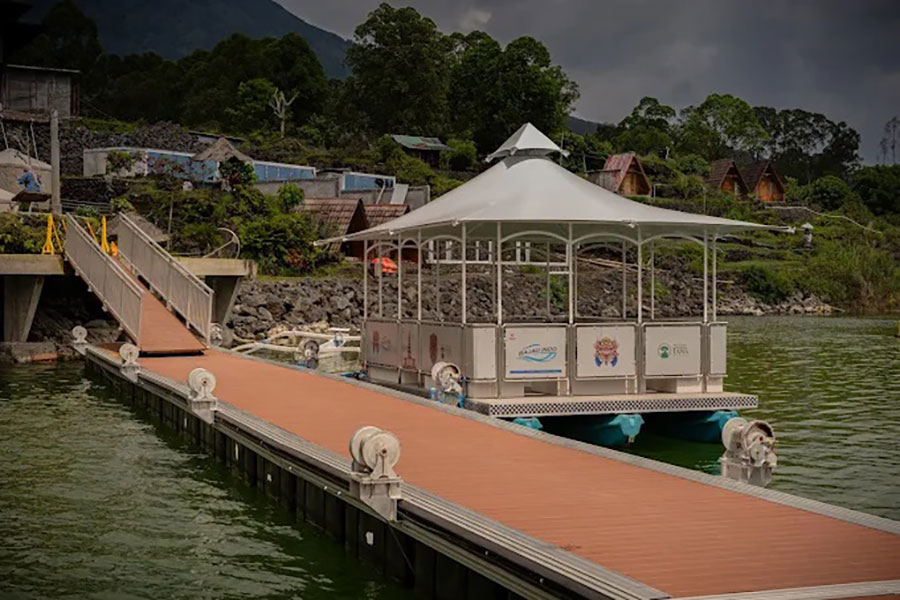
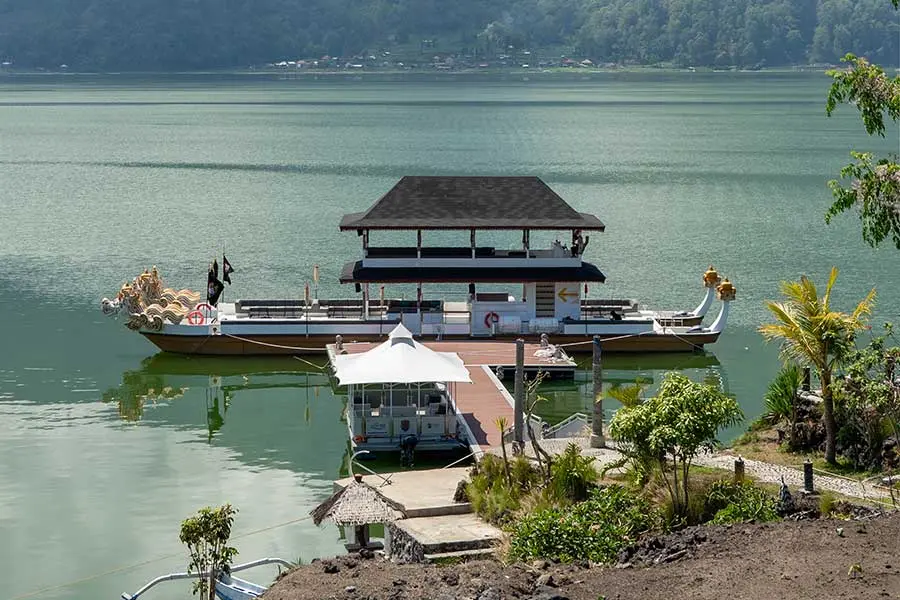
Without a doubt, departing from the pier at Tan’s Estate in Songan Village offers the most comfortable and memorable way to reach the cemetery.
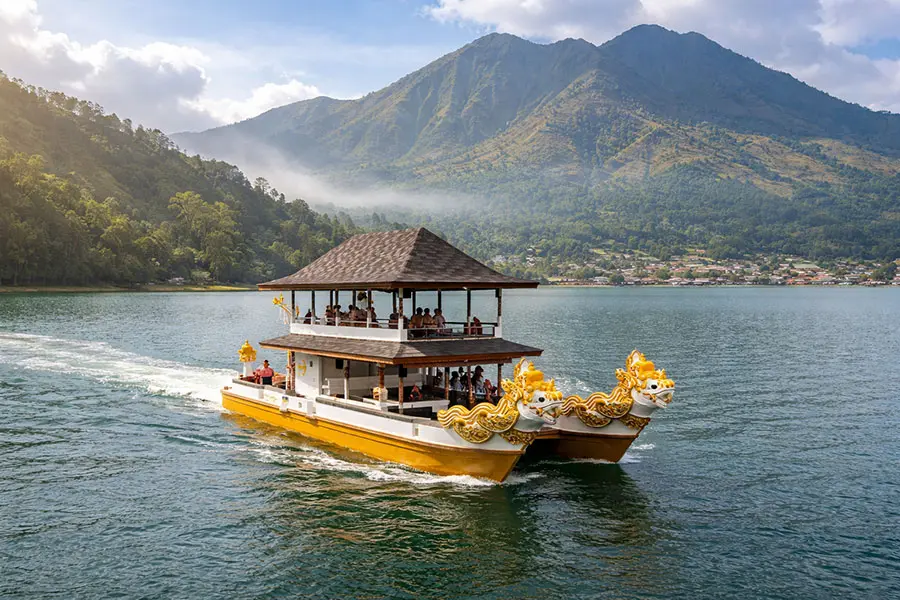
Generally, the journey takes about 30 to 40 minutes, depending heavily on wind conditions and boat speed. Along the way, you will enjoy spectacular views of tranquil Lake Batur, flanked by Mount Batur and Mount Abang.
Furthermore, departing from Tan’s Estate provides you with a highly experienced local guide. This professional ensures you receive the proper cultural context before you ever step foot in Trunyan.
Additionally, the Trunyan cemetery serves as one of the main highlights during the Royal Songan Cruise.
Book a boat and cruise from Tan’s Estate
Option 2: By Boat from Kedisan Pier
Alternatively, you can find Kedisan Pier on the western side of Lake Batur. This location sits about a 20-minute drive away from the popular Penelokan area.
Here, you can hire traditional boats directly to reach Trunyan Village. Afterward, you must take a short boat ride from the village pier to the actual cemetery area.
Typically, boat rental prices from Kedisan range from IDR 200,000 to 350,000 per boat, rather than per person. However, operators often increase these rates for foreign tourists, and the pricing system lacks transparency.
Can You Walk to Trunyan Cemetery?
As previously mentioned, no direct land route connects tourists to the Sema Wayah area. While you can reach Trunyan Village itself via a narrow and often poorly maintained road, a boat remains the only way to access the cemetery area.
Trunyan Cemetery vs Trunyan Village: What’s the Difference?
Many tourists confuse the two locations. However, you must understand that Trunyan Village and Trunyan Cemetery represent two entirely distinct places.
Trunyan Village
Trunyan Village operates as an active residential area on the eastern shore of Lake Batur. The Bali Aga community inhabits this village.
Here, you can observe the daily lives of the residents and admire traditional architecture that differs from typical Balinese villages. Furthermore, you can visit Pura Pancering Jagat, which serves as the village’s main temple.
Trunyan Cemetery
Conversely, Sema Wayah (Trunyan Cemetery) functions as a sacred burial ground located entirely separate from the village settlement.
Specifically, you need a 10-minute boat ride from the Trunyan pier to reach it. The Bali Aga people use this highly sacred area exclusively for their traditional funeral rites.
Visitor Tips and Etiquette
How should you prepare to visit Trunyan Cemetery? Follow these essential guidelines:
- Arrive early in the morning, ideally before 10:00 AM.
- Wear modest clothing; choose long-sleeved shirts, long pants, or long skirts. While locals provide sarongs, bringing your own is always a better choice.
- Bring at least IDR 100,000–200,000 in cash for voluntary donations and small boat fees, as the area has no ATMs.
- Hire a reputable local guide to help you navigate the area and provide accurate historical explanations.
Combining Trunyan Cemetery with Other Kintamani Activities
Integrating the Trunyan Cemetery Bali into a full-day Kintamani itinerary represents the absolute best way to maximize your time in the area.
Morning Activities:
- Batur Discovery Jeep Tour: Start your exciting day with an off-road tour across the striking black lava fields of Mount Batur. You can begin this adventure from Tan’s Estate starting at 6:00 AM.
- Sunrise Viewpoint at Penelokan: If you skip the jeep tour, you can simply enjoy the gorgeous sunrise from the caldera’s edge. Sipping a warm cup of Kintamani coffee provides a perfect morning start.
Mid-Day Activities:
- Royal Songan Cruise: Departing from the Tan’s Estate pier, this relaxing 90-minute cruise takes you around Lake Batur. Simultaneously, you can watch a captivating live performance of The Tale of Balingkang.
- Lake Batur Crossing to Trunyan: After finishing the cruise, continue your journey by boat to Trunyan Village and Sema Wayah. A knowledgeable guide from Tan’s Estate will accompany you and explain the entire cultural journey.
Afternoon Activities:
- Toya Bungkah Hot Spring: Soak your tired muscles in the natural volcanic hot springs after a long day of activities. You can find this location just 20 minutes away from Songan.
- Lunch by the Lake: Several local warungs in the Songan area serve delicious, simple Balinese dishes. Furthermore, they offer a direct, stunning view of the lake.
- Return Journey via Kintamani: Head back up to Penelokan to enjoy one final, breathtaking view of the caldera. Finally, begin your descent back to Ubud or southern Bali.
FAQ: Trunyan Cemetery Bali
1. Is Trunyan Cemetery free to visit?
No, the site is not entirely free. Generally, local caretakers ask visitors to make a voluntary donation at the cemetery entrance. Typically, this donation ranges from IDR 20,000 to 50,000 per person. Additionally, you must pay a small boat fee to travel from the Trunyan pier to the Sema Wayah area.
2. Is it respectful to visit Trunyan Cemetery as a tourist?
Yes, the community permits tourist visits, and travelers have visited this site for a very long time. The people of Trunyan generally welcome tourists openly. However, you must conduct your visit with deep respect and strictly follow all applicable local rules.
3. What is the Taru Menyan tree?
Taru Menyan is a massive tree that grows prominently in the Sema Wayah area. It serves as the absolute center of the entire Trunyan burial tradition. In ancient Balinese, “taru” means tree and “menyan” means fragrant. Locals believe this sacred tree emits a powerful scent that naturally neutralizes the odor of the decomposing bodies placed beneath it.
4. How long should I spend at Trunyan Cemetery?
Standard visits typically last between 20 and 30 minutes. This timeframe provides you with more than enough time to respectfully explore the cemetery grounds and listen to your guide’s fascinating historical explanations.